- Get link
- X
- Other Apps
Snapchat Removes M Ori Tattoo Filter After Backlash And Vector Maori Tattoos And Vector maori tattoos The

Vector maori tattoos I have a wave shape and arrows on my right arm to give me more power and energy flowing to my mic while performing vocals.” Along with the spiritually charged beliefs surrounding the body across Polynesian cultures, a series of taboos arose around the process of giving and receiving tattoos. Captain Cook also introduced the word “taboo” to the English language, upon returning from Tonga where he heard it being used (as “tapu”) to describe all manner of things forbidden. Among the Maori, for example, both the one being tattooed and the artist carrying out the sacred art were forbidden from eating with their hands or speaking with anyone besides others being tattooed. Other Maori rules included abstaining from sex during the process and avoiding solid foods. vector maori tattoos.

Vector maori tattoos “I reckon that helps Polynesian culture live on and tattoo artists know that.” From the local community, Miriama Bono, a painter and adviser to the French Polynesian culture minister, is a prominent Tahitian with a tattoo on one of her forearms, which combines motifs from Tahiti, Hawaii, Samoa, and New Zealand. Like Bono, a growing number of young Polynesians are tatting up with similarly mixed designs, nodding to the region’s broader cultural revival. “I grew up surrounded by tattooed people, in the street, at school, in offices, everywhere,” Perez said. “I don’t have the numbers, but I’d say that easily more than half the population is tattooed.” Enjoying this article?

Vector Maori Tattoos
that person’s genealogy and achievements, and the whole design ends up becoming a treasure for that individual’s family,” Karaitiana Taiuru, an expert on Maori knowledge and intellectual property, told the outlet. “They’re very sentimental. They’re very precious.” Because of a lack of knowledge of the indigenous group, users could also inadvertently use the wrong tattoos. Maori men wear full facial tattoos, while a moko kauae tattoo that covers the lips and chin of the wearer is designed for women, according to the outlet. Snapchat claimed the company encouraged diversity and inclusiveness while disapproving of content that promotes discrimination. “We encourage our community to create Lenses that are inclusive and any shared on Snapchat must comply with our community guidelines,” the company told the outlet. “These are clear that we prohibit content that demeans, defames, or promotes discrimination.” CLICK HERE TO READ MORE FROM THE WASHINGTON EXAMINER The Maori people have also claimed that artificial intelligence systems are racist because they do not recognize the faces of users with the tattoos. The filters have also been used on other social media sites, including Instagram. At least 10 filters on Instagram have names that include “Moori” or “moko” created by users of the platform, according to the outlet.A high-profile newsreader in New Zealand has publicly slapped down an irate viewer who had repeatedly complained about her traditional face tattoo. In 2021, Newshub presenter Oriini Kaipara became the first person to anchor a prime time news broadcast in NZ bearing a... .

Vector maori tattoos But as the technology is gradually improved, the process of getting a ‘real’ tattoo may one day be no different than that of the temporary tattoos you used to apply as a kid. Snapchat’s augmented reality filters are a major draw for users of the social media app. Image: Neilson Barnard (Getty Images) Snapchat has come under scrutiny after a filter released on the app resembled face tattoos that are sacred to the Māori people, who are the indigenous people of New Zealand. Snapchat and augmented reality filters go together like peanut butter and jellythe company unveiled their augmented reality face filters as early as the autumn of 2015. The social media platform has recently come under fire, however, following an investigation by Radio New Zealand, who found a few instances of face filters that resemble the facial tattoos of the indigenous Māori people.
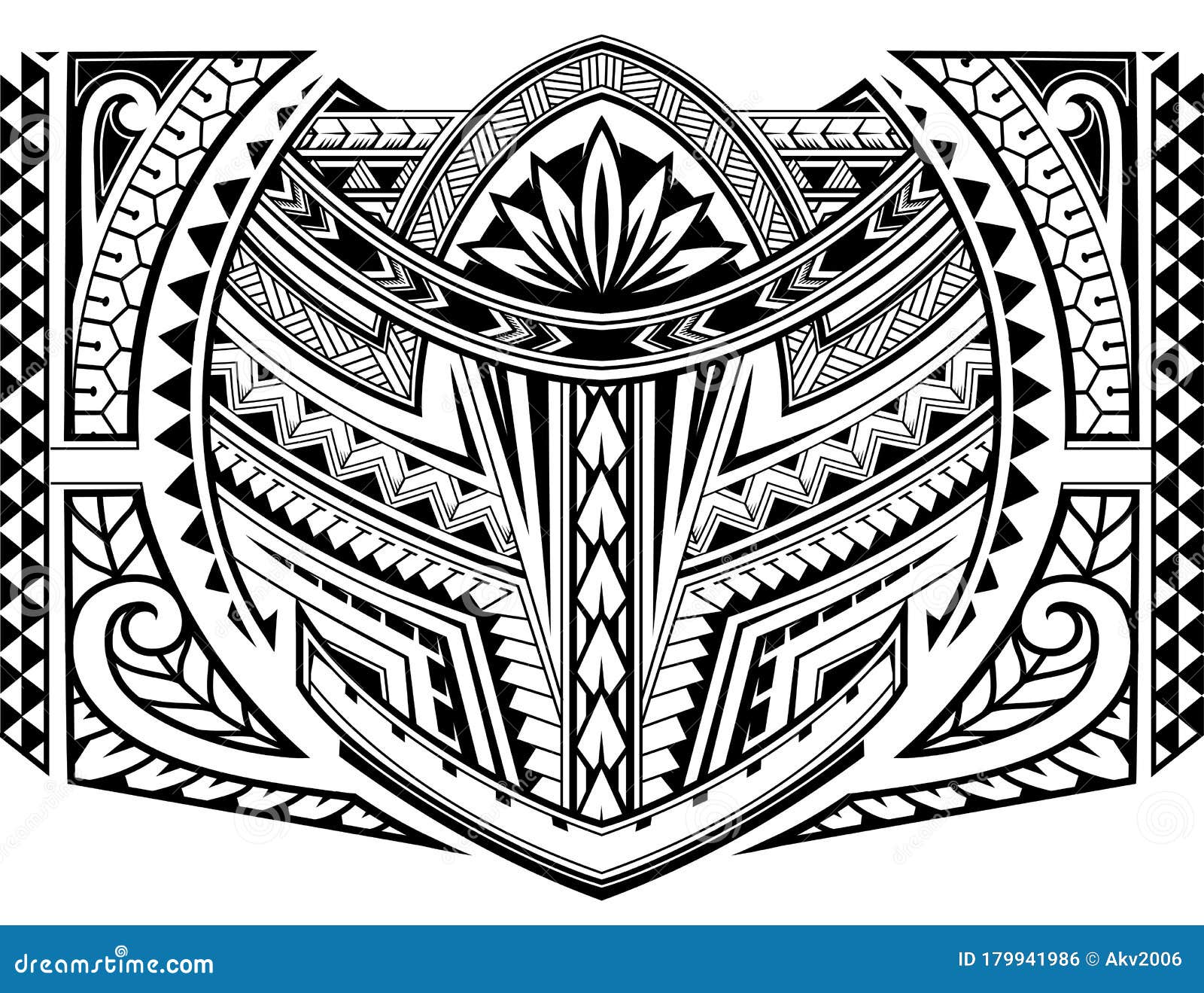
Vector Maori Tattoos
along with a duplicate, after a New Zealand-based reporter raised concerns from the Māori community about the tools. “We encourage our community to create Lenses that are inclusive and any shared on Snapchat must comply with our community guidelines,” the company told the Guardian in an unattributed statement. “These are clear that we prohibit content that demeans, defames, or promotes discrimination.” Tā moko are only intended for Māori. Each is created to be unique to the wearer’s ancestry, which meant multiple social media users applying the same filter compounded the “huge disrespect” caused by the “highly offensive” tools, one analyst said. “The moko you see is that person’s genealogy and achievements and the whole design ends up becoming a treasure for that individual’s family,” said Dr Karaitiana Taiuru, an expert on mātauranga Māori (Māori knowledge) and intellectual property. “They’re very sentimental, they’re very precious.” Social media users might also be applying the wrong moko for their gender; only Māori men wear the full facial tattoo, with moko kauae – which cover the lips and chin – designed for women. A renaissance in the appreciation of Māori art during the past decade has sparked a renewed interest among Māori in taking tā moko. But Māori had previously faced widespread discrimination for wearing them, making the use of the tattoos as an aesthetic tool on social media was even more inappropriate, said Taiuru. “I’ve seen in my lifetime people yelled at or assumed to be gang members because they wear a traditional... .
Comments
Post a Comment