- Get link
- X
- Other Apps
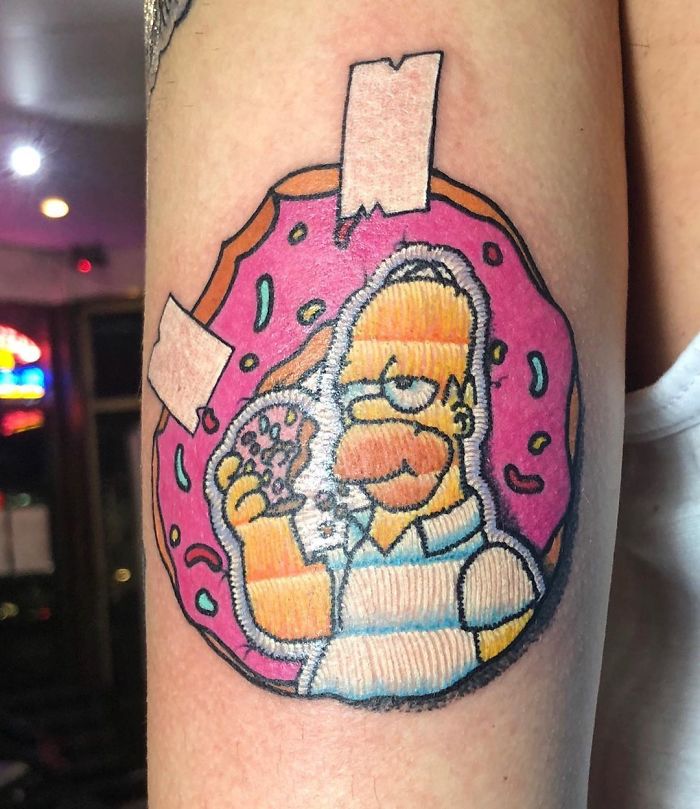
Fabric patch tattoo Prausnitz, 14 September 2022, iScience. DOI: 10.1016/j.isci.2022.105014 Prausnitz has co-founded a company called Micron Biomedical that is developing microneedle patch technology, bringing it further into clinical trials, commercializing it, and ultimately making it available to patients. Prausnitz and several other Georgia Tech researchers are inventors of the microneedle patch technology used in this study and have ownership interest in Micron Biomedical. They are entitled to royalties derived from Micron Biomedical’s future sales of products related to the research. These potential conflicts of interest have been disclosed and are overseen by the Georgia Institute of Technology. Courtesy Georgia Tech Unless you’re a professional tattoo artist (or an angsty teenager with a needle and a lighter), you likely haven’t considered inking yourself. fabric patch tattoo.
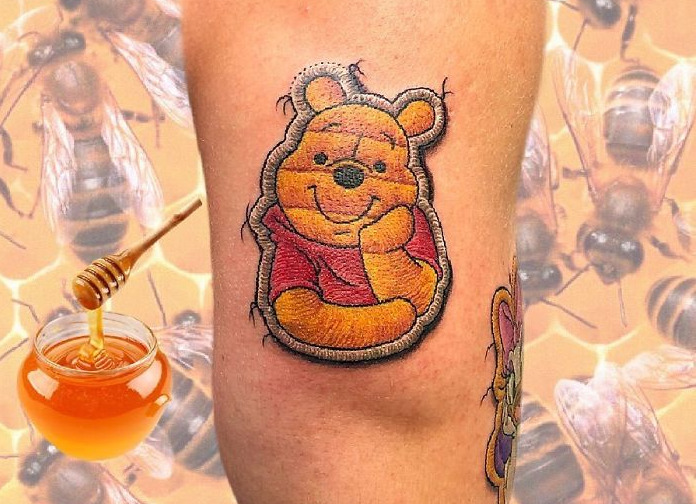
Fabric patch tattoo Though these skin patches can be revolutionary and extremely appealing, the researchers don’t want to discredit the hard work of tattoo artists. Georgia Tech / SWNS While some will be excited that the new technology will help them finally be able to get tattoos pain-free, the skin patches can also help with medical and veterinary tattooing. Tattoos are often used to guide repeated cancer radiation treatments, cover up scars, and communicate serious medical conditions such as epilepsy, diabetes or allergies. The environmental reaction feature allows patients some privacy and can hide the tattoo unless it’s under ultraviolet lights or high temperatures.

Fabric patch tattoo To conclude, the microneedle patch tattoos developed in this study provide access to safe, infection-free, painless, and possibly self-administrable tattoos that can be used for decorative, cosmetic, and medical applications. Besides the design you chose, another part of proudly showing off a tattoo is reminding others of all the pain you endured to get it. But that might not always be the case, as researchers from the Georgia Institute of Technology have found a way to borrow a new medical technology to create self-applied tattoos that don’t cause any pain at all. What gives tattoos their permanence is also what makes getting inked so painful.

Fabric patch tattoo Pictured, a magnified view of a microneedle patch with green tattoo ink Microneedles on the patch dissolve when they puncture the skin, releasing the ink and administering the tattoo HOW DOES IT WORK? The researchers start with a mold containing microneedles in a pattern that forms an image - such as a symbol, a number or a QR code. They then fill the microneedles in the mold with tattoo ink and add a patch backing for convenient handling. The resulting patch is then applied to the skin for a few minutes, during which time the microneedles dissolve and release the tattoo ink. Advertisement The new tattoo patch has been designed for medical tattoos, which can be used to cover up scars, guide repeated cancer radiation treatments, restore nipples after breast surgery and much more. Tattoos also can be used instead of bracelets as medical alerts to communicate serious medical conditions such as diabetes, epilepsy or allergies. The tattoo technology has been created by a research team at Georgia Institute of Technology in Atlanta and detailed in a new study published in iScience 'We've miniaturised the needle so that it's painless, but still effectively deposits tattoo ink in the skin,' said.

Fabric patch tattoo Study author Professor Mark Prausnitz holds one of the patches Microneedle patch tattoos can also be used to encode information in the skin of animals too, as demonstrated by the team in their paper, who experimented with rats. Rather than clipping the ear or applying an ear tag to animals to indicate sterilisation status, a painless and discreet tattoo can be applied instead. 'The goal isn't to replace all tattoos, which are often works of beauty created by tattoo artists,' Professor Prausnitz said. 'Our goal is to create new opportunities for patients, pets and people who want a painless tattoo that can be easily administered.' BRITISH MAN GETS TESCO CLUBCARD QR CODE TATTOOED ON HIS WRIST SO HE'D 'NEVER MISS OUT ON A BARGAIN AGAIN' Video emerged in July of a man getting the QR code from his Tesco Clubcard tattooed on his wrist, in a so-called example of 'biohacking'. Dean Mayhew paid £200 to get his wrist permanently inked with the code at a tattoo parlour in Chessington, south-west London.
Comments
Post a Comment